Built Different.
On Purpose.
We didn't build CyRobotLaser to be the biggest laser company. We built it to be the one you can actually call when something goes wrong.
One Robot Platform. Thirteen Years. No Exceptions.
We get asked this a lot: why only FANUC?
The honest answer — we tried others. Early on, like most companies, we worked with whatever was available. Different robot brands, different software, different support models.
The pattern was always the same. When something broke, drifted, or didn't perform the way it should — there was nobody with real answers. Just ticket numbers and waiting.
FANUC was different. Not because of the brochure. Because when things went wrong, there was a real system behind it. Real parts. Engineers who actually knew the hardware.
We made a decision in 2012 and committed to it: one platform, deep expertise, no shortcuts.
Thirteen years later, we know FANUC robot laser cutting the way a good mechanic knows an engine. Not from a manual — from ten thousand hours of actual work on actual machines.
That kind of depth is hard to build when you're spread across six platforms trying to appeal to everyone. We'd rather know one thing completely than six things halfway.
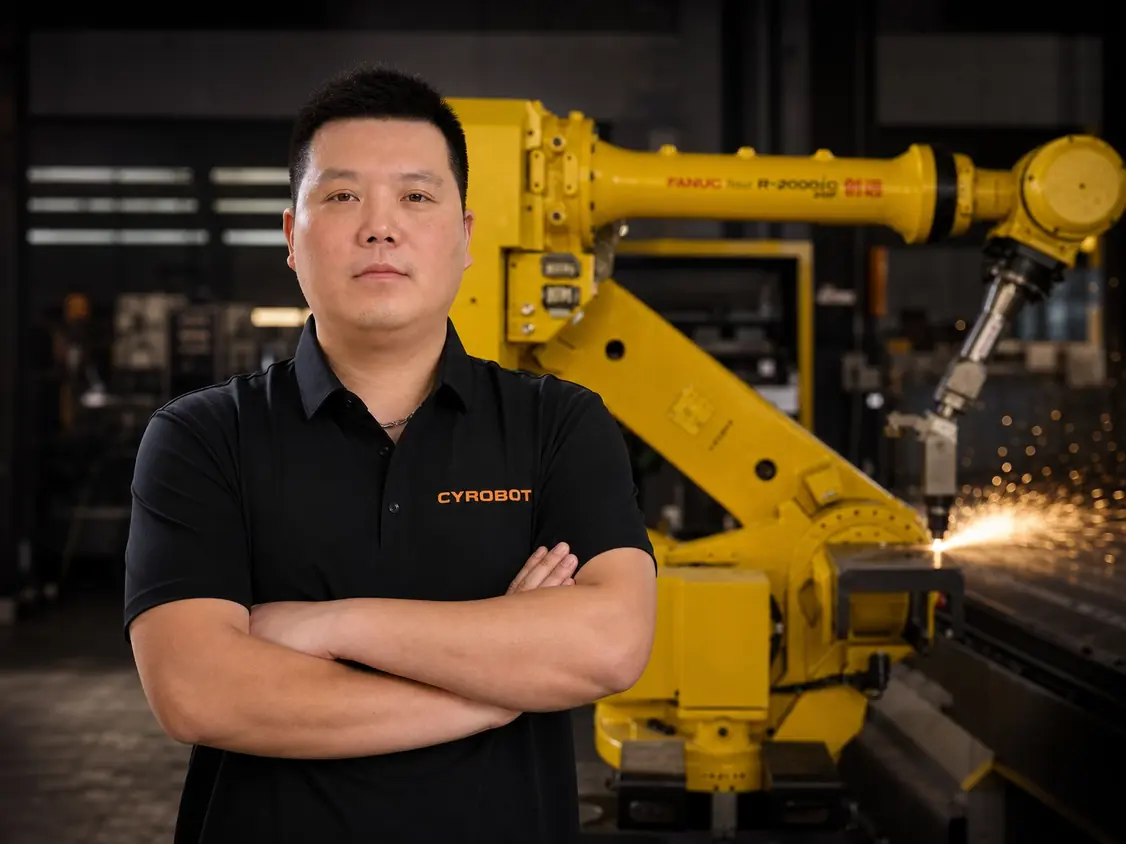
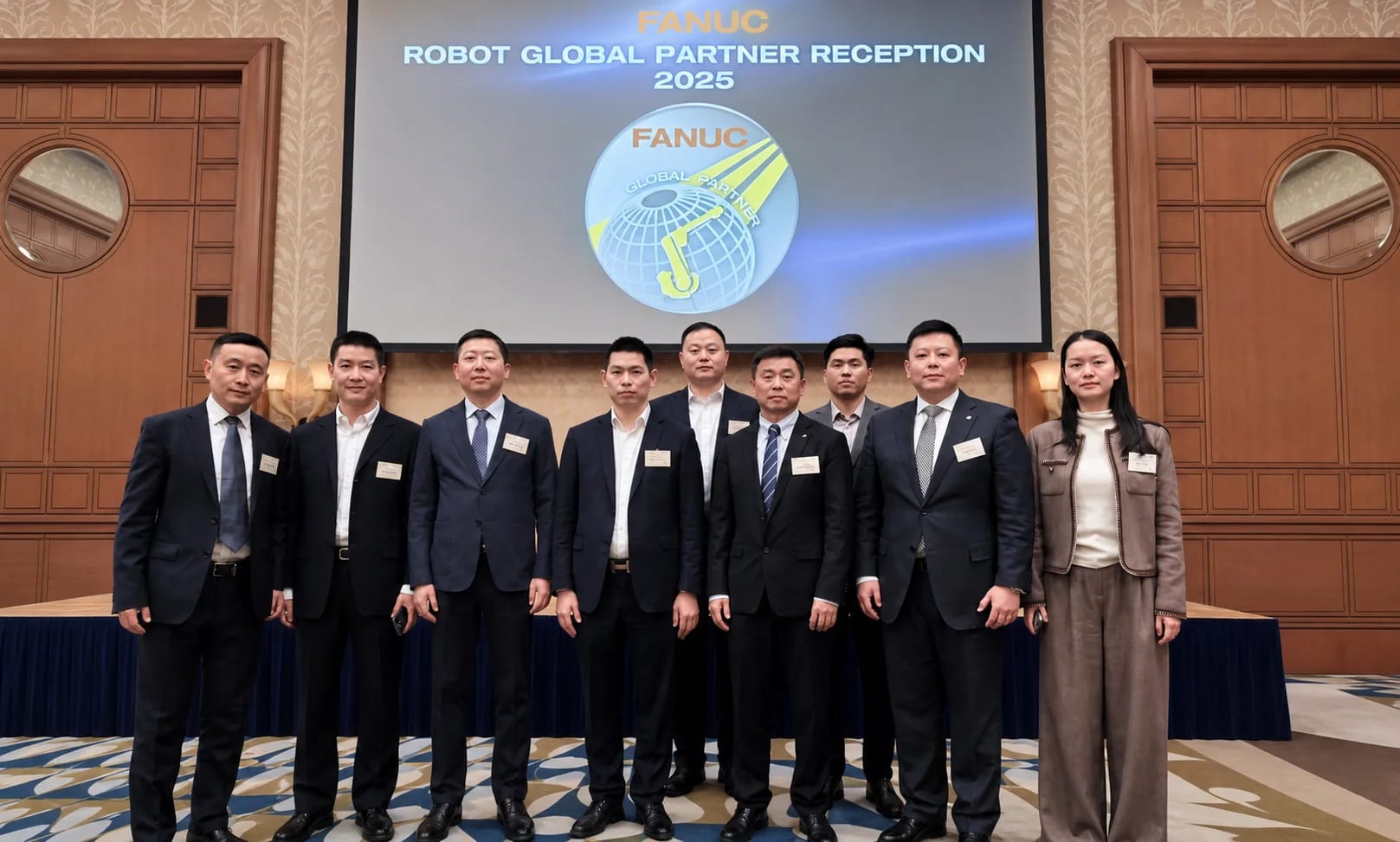
Time Doesn't Give You Experience. Problems Do.
2012年,our founder was running one of the first 3D laser cutting operations in the region. Imported 5-axis machines cost $600,000–$800,000. Most factories couldn't touch them. And the ones that could were on their own the moment something went wrong. Programming was a nightmare. Parts took months. Support was a time zone away and never quite answered the question.
We grew up watching that gap — between great equipment and usable equipment. Between hardware that runs and hardware that works for your team, in your factory, on your parts.
Over 13 years, we've debugged programs that looked correct in simulation but moved wrong on the actual robot. We've recalibrated systems six months after install when precision started drifting. We've expedited parts because waiting three weeks for a simple component isn't something a production schedule can absorb.
Some of our engineers have been on factory floors past midnight helping a team get ready for the next morning's run. That's where the real experience comes from.
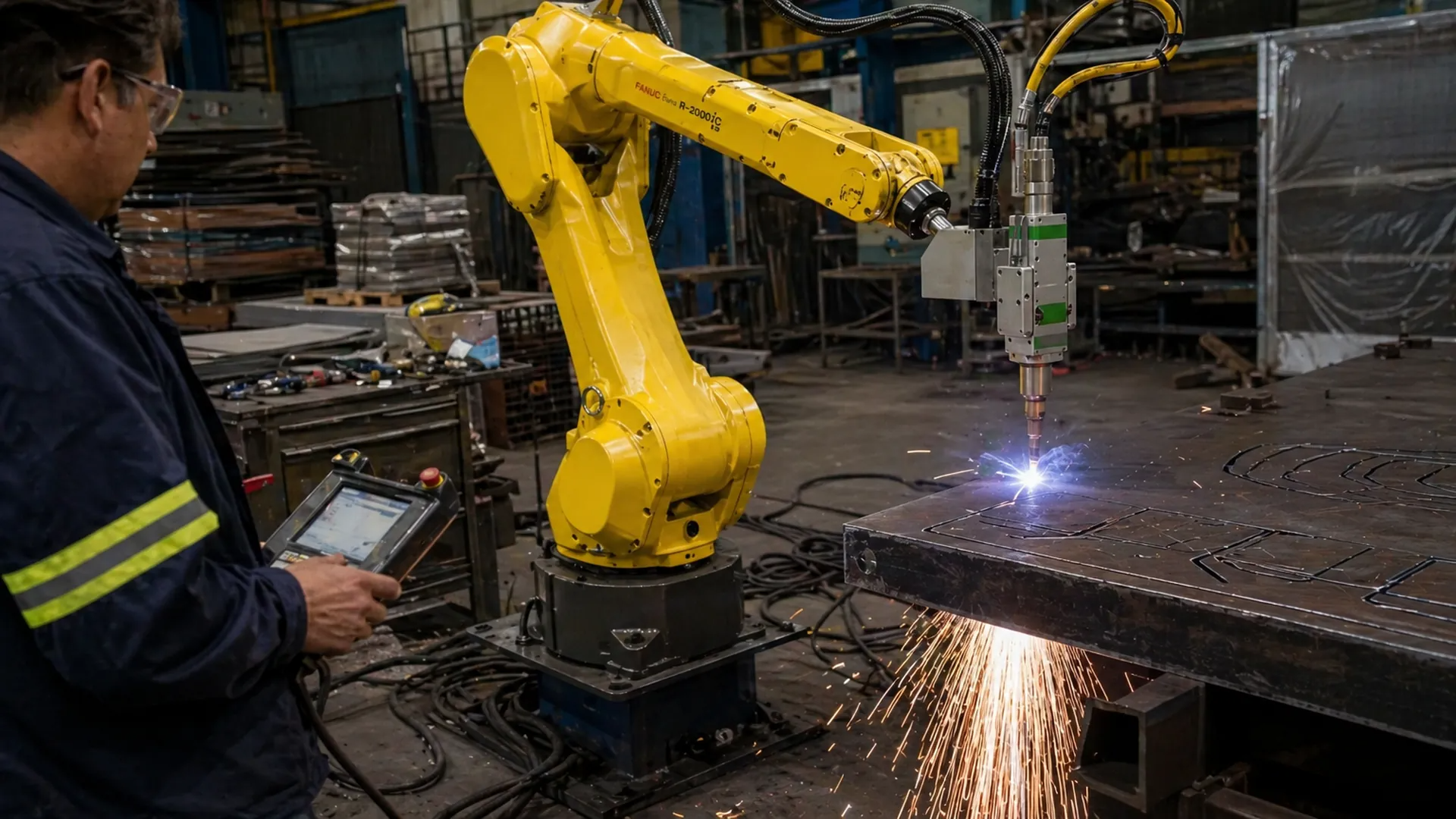
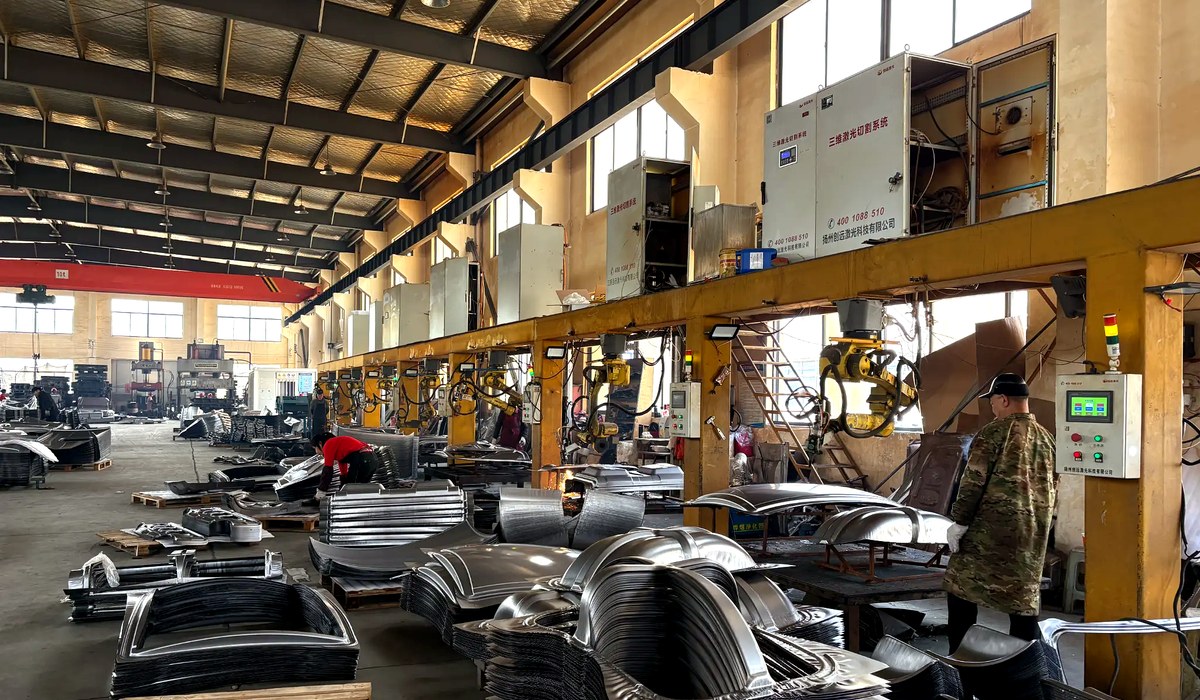
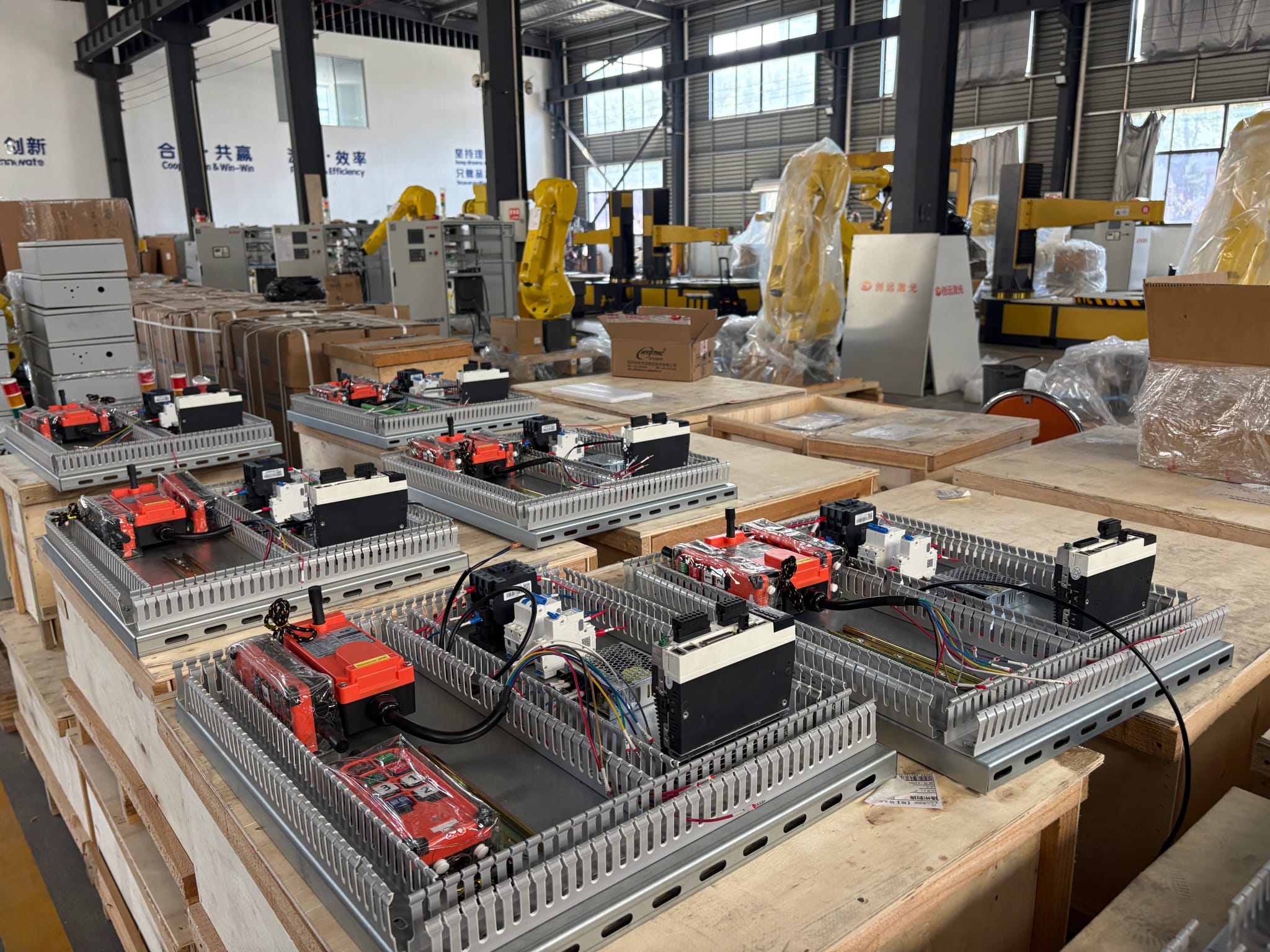
Our Limits Are Deliberate
Some of these cost us deals. We're fine with that.
We use FANUC robots. Not because it's the cheapest option — it isn't. Because after 13 years, we know exactly how they behave, where they need attention, and how to get them back on spec when something drifts.
Switching platforms means starting that learning curve over. We're not willing to do that to our customers.
Not every customer needs an engineer on-site — cross-border travel has real costs, and we're honest about that. What every customer gets: online guidance from engineers who've actually cut the materials and applications you're working with.
Our processes are mature. Most issues resolve remotely. And when you need a real walkthrough at 10pm before a production run, someone picks up.
If your application doesn't fit what FANUC robot laser cutting does well — we'll tell you.
Selling the wrong machine to the wrong factory helps nobody. We'd rather lose the deal than spend years managing a customer who should have gone elsewhere.
We're not the fastest company. We're not the cheapest. We don't have offices in every country or a 24/7 call center.
What we have: engineers with 10+ years on this specific technology, a parts system that moves quickly, and a track record of showing up when it matters. We say what we can do. Then we do it.
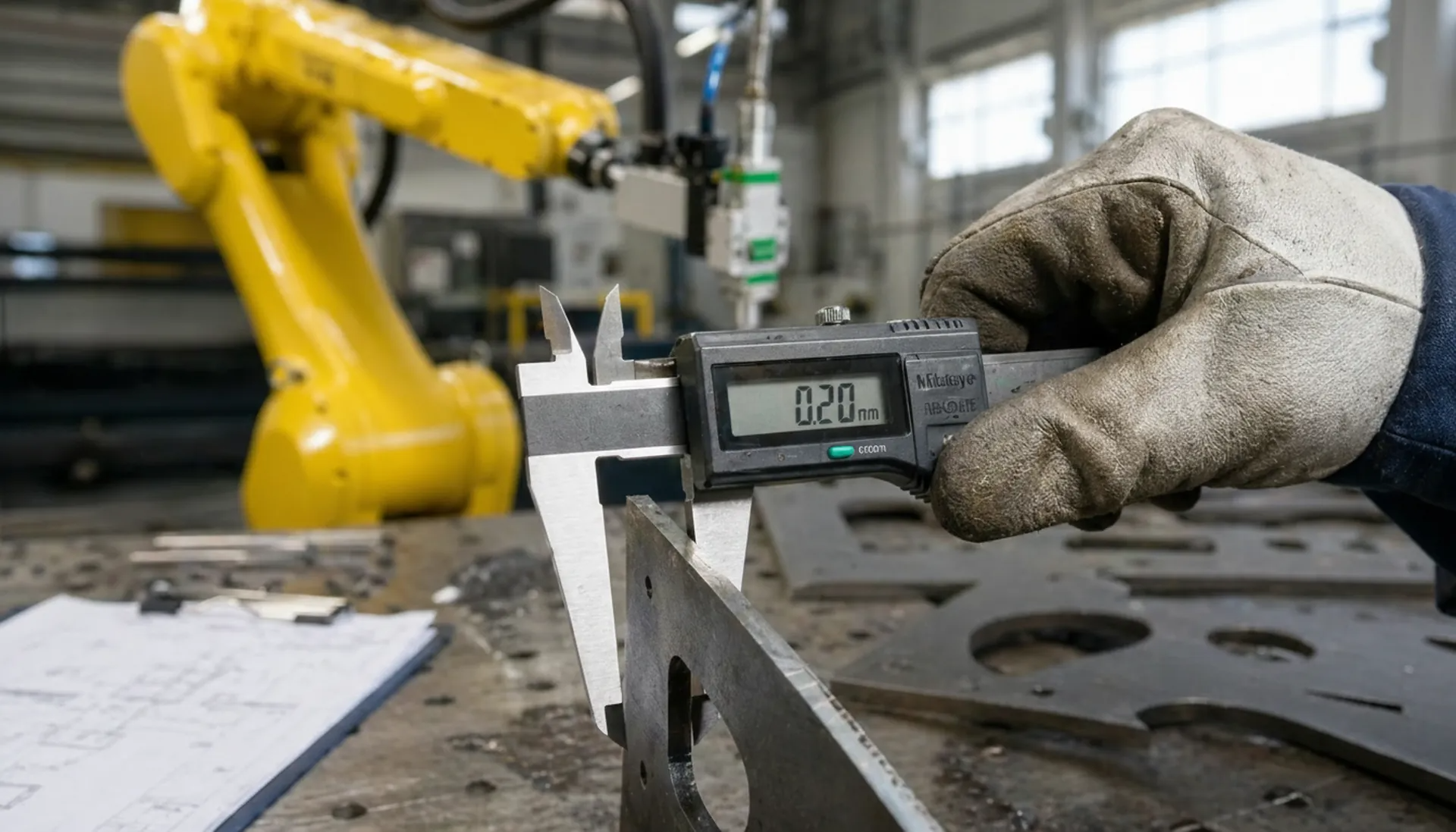
±0.2mm Is Not a Specification. It's a Standard of Care.
Precision doesn't drift randomly.
It drifts because of something specific — a worn component, a calibration step done slightly wrong, software settings that shifted during an update, a fixture that moved.
Our engineers have seen every version of this. They know where to look and what to fix. More importantly, they know how to set things up so the problem doesn't appear in the first place.
The reason our customers don't call us about drift problems six months in isn't because our machines are magic. It's because we set them up correctly, train operators properly, and document what matters for each application.
Boring? Maybe. Effective? Always.
We're Not Trying to Be the Biggest.
There are larger laser companies. Better-known brands. Companies with more products, more markets, bigger teams.
We've watched that playbook from a distance: more SKUs, thinner expertise, slower support, customers who become ticket numbers.
We're not interested.
Our domestic business is strong because we've spent 13 years earning it — one factory, one problem, one solution at a time. International is where we're building, honestly and carefully, without overstating where we are.
The goal is simple: keep being the company that factories call when they want something done right. Engineers who've built and debugged the exact machine you're asking about. Not a customer service rep working from a script.
That's the business we want to be.
If That's What You're Looking For —
Let's Talk.
Not a sales call. A real conversation about whether we're the right fit for your application.